
Majority of Kenyans fear repression or violence if they join public protests, Afrobarometer survey finds
A majority of Kenyans say they fear intimidation, arrest, or violence if they participate in public protests, the latest Afrobarometer survey shows.Views are mixed on whether the right to demonstrate should be protected even if protests sometimes turn violent.
When violence does break out during public protests, more than half of citizens believe it is mainly caused by people hired to cause trouble, known locally as “goons.” A majority of citizens consider police use of force to maintain order during such protests unjustified.
Survey findings also indicate that a majority of Kenyans believe the government does not take citizens’ concerns raised during public protests seriously.
Key findings
- A majority (57%) of Kenyans say they don’t feel free to participate in public protests without fear of intimidation, arrest, or violence (Figure 1).
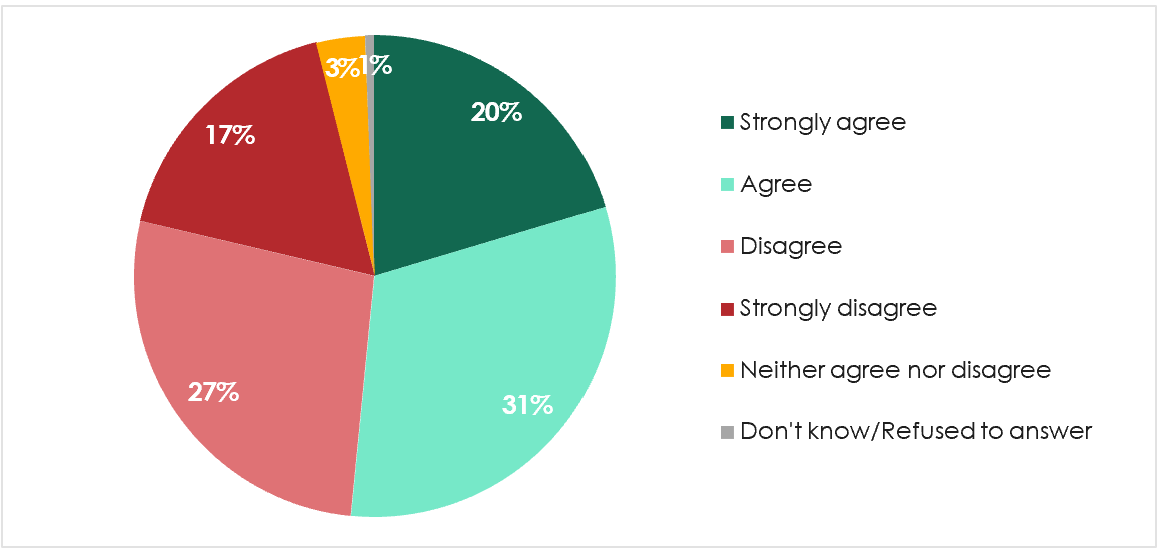
- About half (51%) of Kenyans say citizens should be permitted to exercise their right to protest, even if demonstrations sometimes turn violent, but almost as many (45%) disagree (Figure 2).
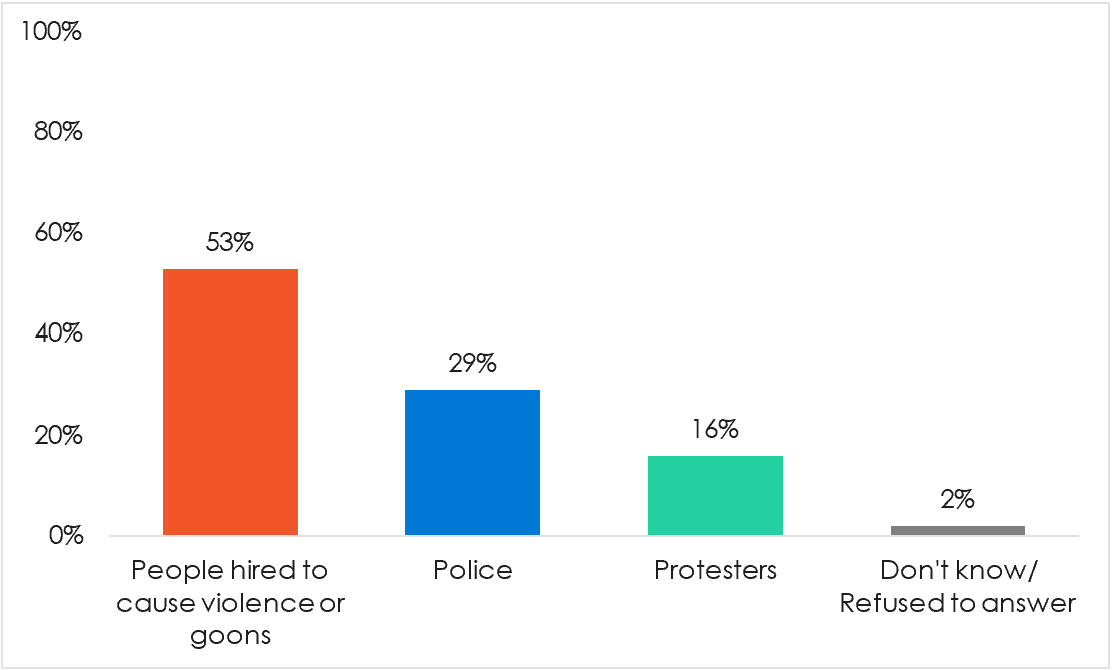
- More than half (53%) believe that “goons” hired to cause violence are mainly responsible when violence breaks out during public protests (Figure 3). Others blame the police (29%) and the protesters (16%).
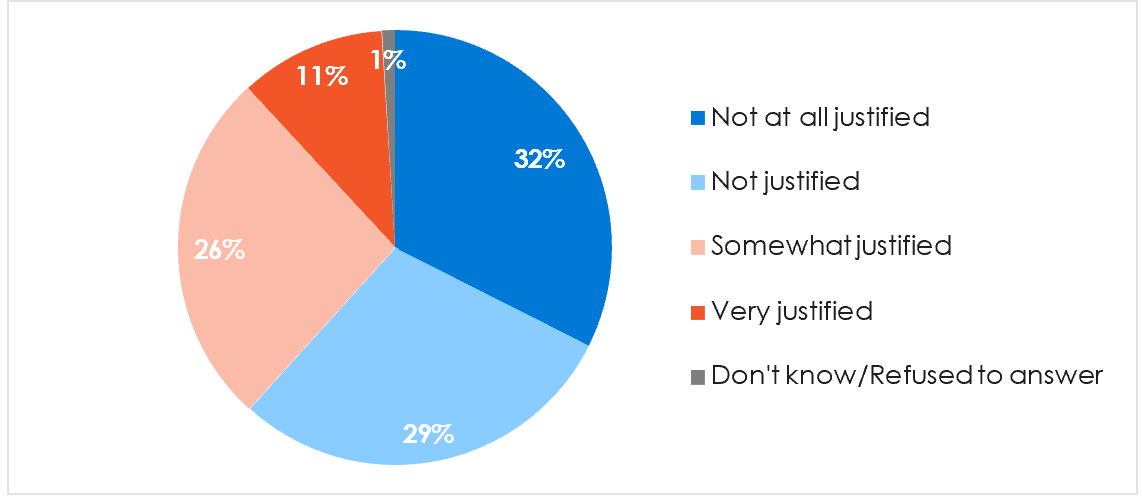
- A majority (62%) of citizens consider police use of force to maintain order during public protests unjustified (Figure 4).
- Fewer than four in 10 Kenyans (37%) believe that the government takes citizens' concerns raised through public protests seriously (Figure 5).
Afrobarometer surveys
Afrobarometer is a pan-African, nonpartisan survey research network that provides reliable data on African experiences and evaluations of democracy, governance, and quality of life. Ten survey rounds in up to 45 countries have been completed since 1999. Round 11 surveys were launched in May 2026. Afrobarometer’s National Partners conduct face-to-face interviews in the language of the respondent’s choice.
The Afrobarometer team in Kenya, led by the Institute for Development Studies at the University of Nairobi, interviewed a nationally representative sample of 2,400 adult citizens in September 2026. A sample of this size yields country-level results with a margin of error of +/-2 percentage points at a 95% confidence level. Margins of error are larger for subgroup analyses (e.g. demographic groups) due to smaller sample sizes. For more on our sampling
methodology, click here. Previous surveys were conducted in Kenya in 2003, 2005, 2008, 2011, 2014, 2016, 2019, 2021, and 2024.
Charts
Figure 1: Freedom to protest without fear of intimidation, arrest, or violence | Kenya | 2026
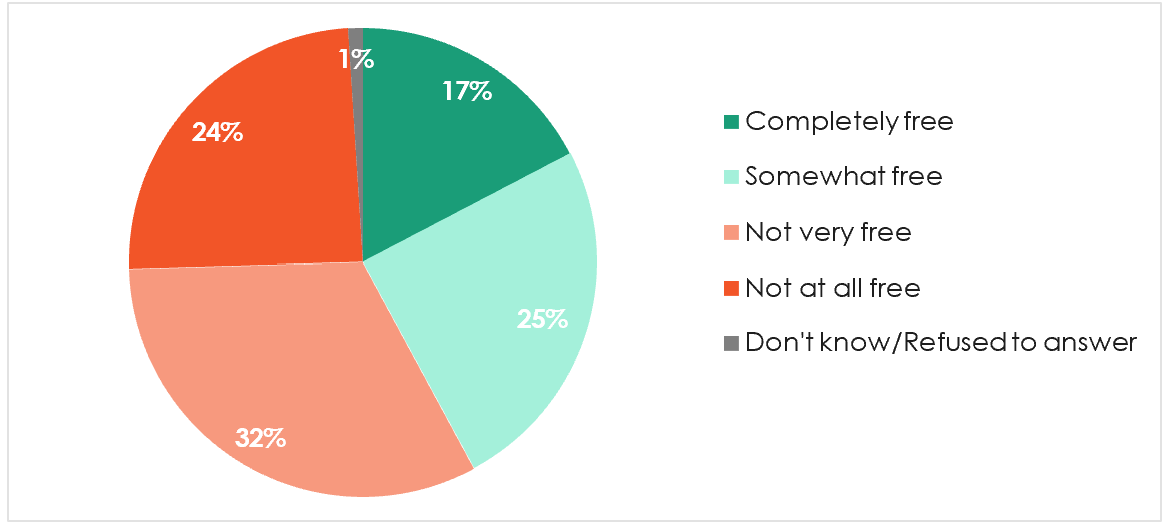
Figure 2: Should protests be allowed even if they sometimes turn violent? | Kenya | 2026
 |
Respondents were asked: Looking at Kenya today, how free are people to participate in public protests or demonstrations without fear of intimidation, arrest, or violence?
Figure 3: Responsibility for violence during public protests | Kenya | 2026
Respondents were asked: Do you agree or disagree with the following statement: Kenyan citizens should always be allowed to enjoy the right to protest, even if sometimes these turn violent.
Figure 4: Are police justified in using force during protests? | Kenya | 2026
Respondents were asked: When violence breaks out during public protests in this country, do you think it is mainly the fault of the protesters, police, or people hired to cause violence?
Figure 5: Government’s responsiveness to concerns raised through protests | Kenya | 2026
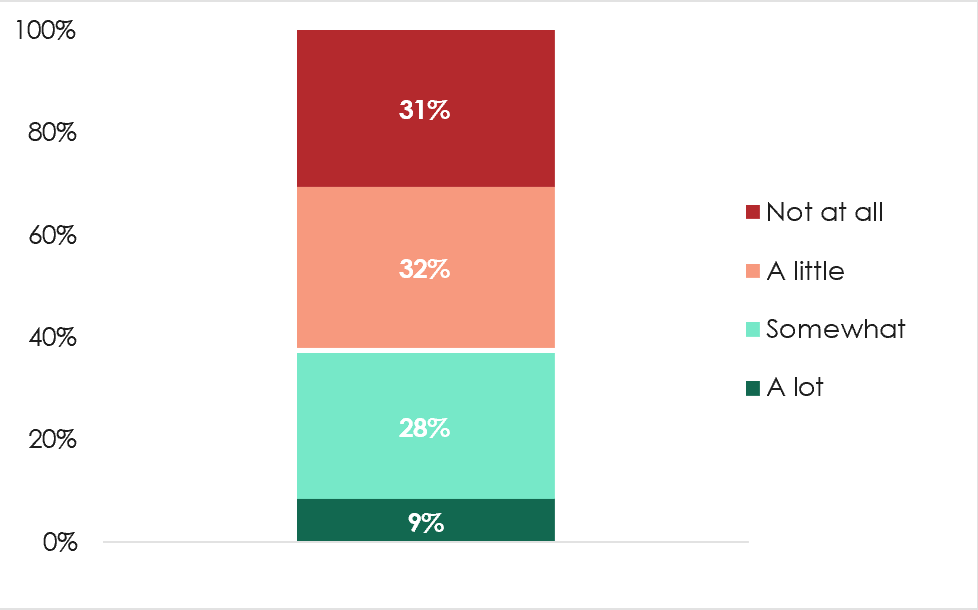
Respondents were asked: To what extent do you think the government takes seriously the concerns raised by citizens through public protests?
